
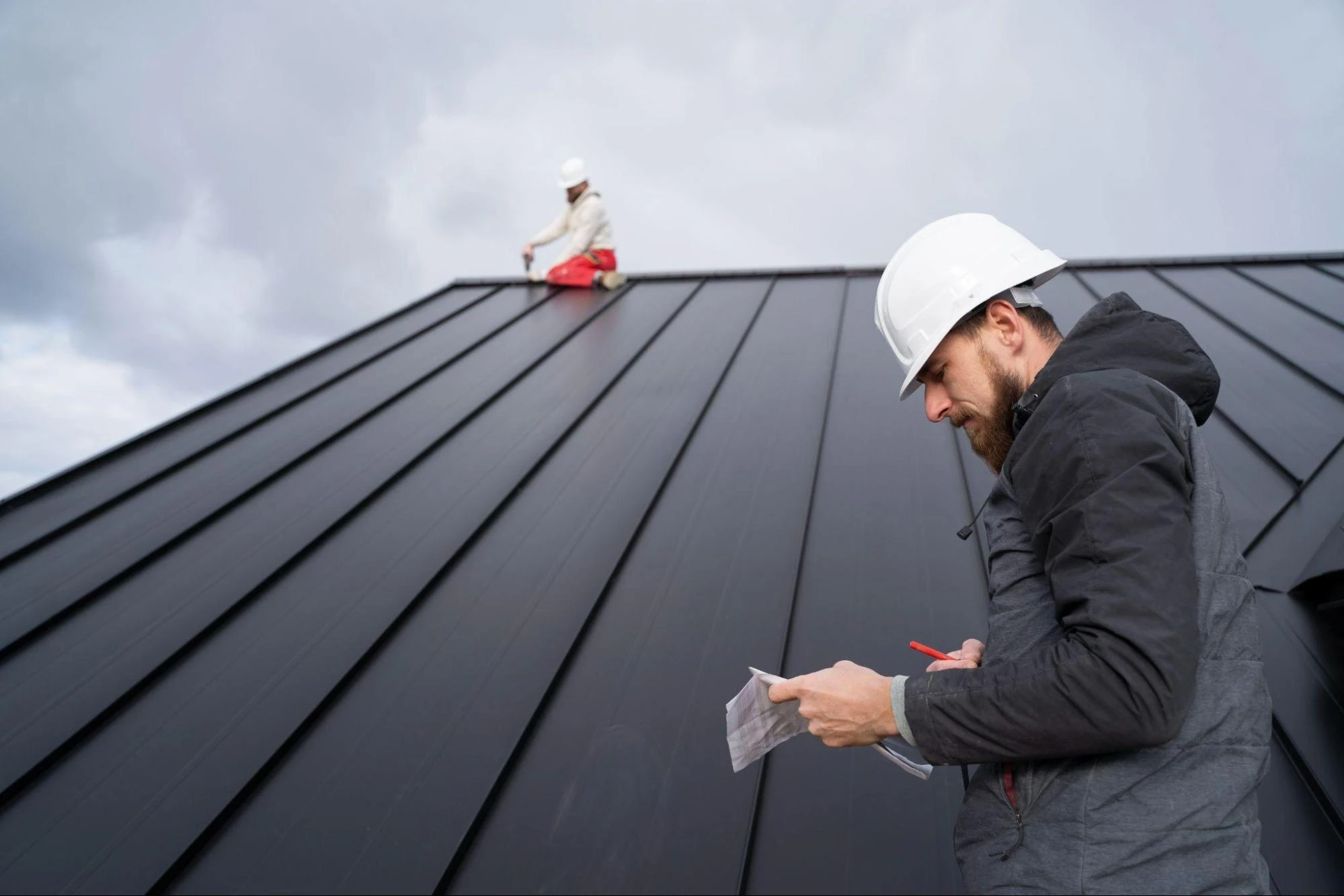
The Real Cost of an Inaccurate Roofing Estimate
In roofing and construction, estimation isn’t just about numbers it directly impacts profitability, timelines, and reputation. A slightly inaccurate estimate can quietly eat into margins, while a major miscalculation can turn a profitable job into a loss. Contractors today are not just competing on price, but on reliability and transparency.
Clients expect detailed, realistic estimates, and they’re quick to lose trust when unexpected costs appear mid-project. This makes accuracy more important than ever. Yet, despite experience and careful planning, many estimates still fall short because they rely on assumptions rather than verified data.
Where Most Estimates Go Wrong
A common issue in roofing estimates is the assumption that materials will perform exactly as specified. Contractors often depend on supplier data or past project experience, but real-world conditions are rarely that consistent.
Material quality can vary between batches, environmental conditions can impact performance, and installation variables can influence durability. These small uncertainties compound quickly, leading to miscalculations in both cost and quantity. Over time, these gaps can result in budget overruns, delays, and even client disputes.
Moving from Guesswork to Data-Driven Estimation
This is where material testing begins to change the game. Instead of relying purely on experience, contractors can validate material performance before finalizing estimates. Using professional material testing equipment, it becomes possible to measure strength, durability, and resistance under actual conditions.
This shift brings a new level of confidence to the estimation process. Rather than guessing how materials should perform, contractors know how they will perform. That distinction alone can dramatically improve the accuracy of a roofing estimate.
Why Material Performance Isn’t Always Predictable
Even widely used materials like concrete can behave differently depending on multiple factors. Mix ratios, curing conditions, and environmental exposure all influence the final strength and durability. Without proper concrete testing, these variations remain hidden until they create problems on-site.
By the time these issues surface, contractors often have no choice but to adjust budgets, timelines, or both. Testing eliminates this uncertainty early, allowing estimates to reflect real conditions instead of ideal assumptions.
Stronger Estimates Start with Better Cost Forecasting
Accurate cost forecasting depends on understanding how materials behave throughout the project lifecycle. When materials underperform, additional labor, replacements, or reinforcements may be required, none of which are usually accounted for in initial estimates.
Material testing provides clarity at this stage. It helps contractors anticipate potential challenges and factor them into their pricing. The result is an estimate that is not only competitive but also sustainable, reducing the risk of unexpected expenses later on.
Reducing Rework Before It Happens
Rework is one of the biggest threats to profitability in roofing projects. Whether it’s due to material failure, poor adhesion, or structural inconsistencies, fixing mistakes after installation is always more expensive than preventing them.
Incorporating construction material testing into the estimation and planning phase allows contractors to identify risks before work begins. This proactive approach minimizes errors, improves efficiency, and keeps projects on schedule.
Building Client Trust Through Transparency
Today’s clients want more than just a competitive price; they want confidence in the process. When contractors can explain that their estimates are backed by tested and verified material data, it immediately sets them apart.
This level of transparency builds trust and positions the contractor as a professional who values accuracy and accountability. It also makes it easier to justify pricing, as clients understand that the estimate is based on real data rather than rough assumptions.
Real-World Applications in Roofing Projects
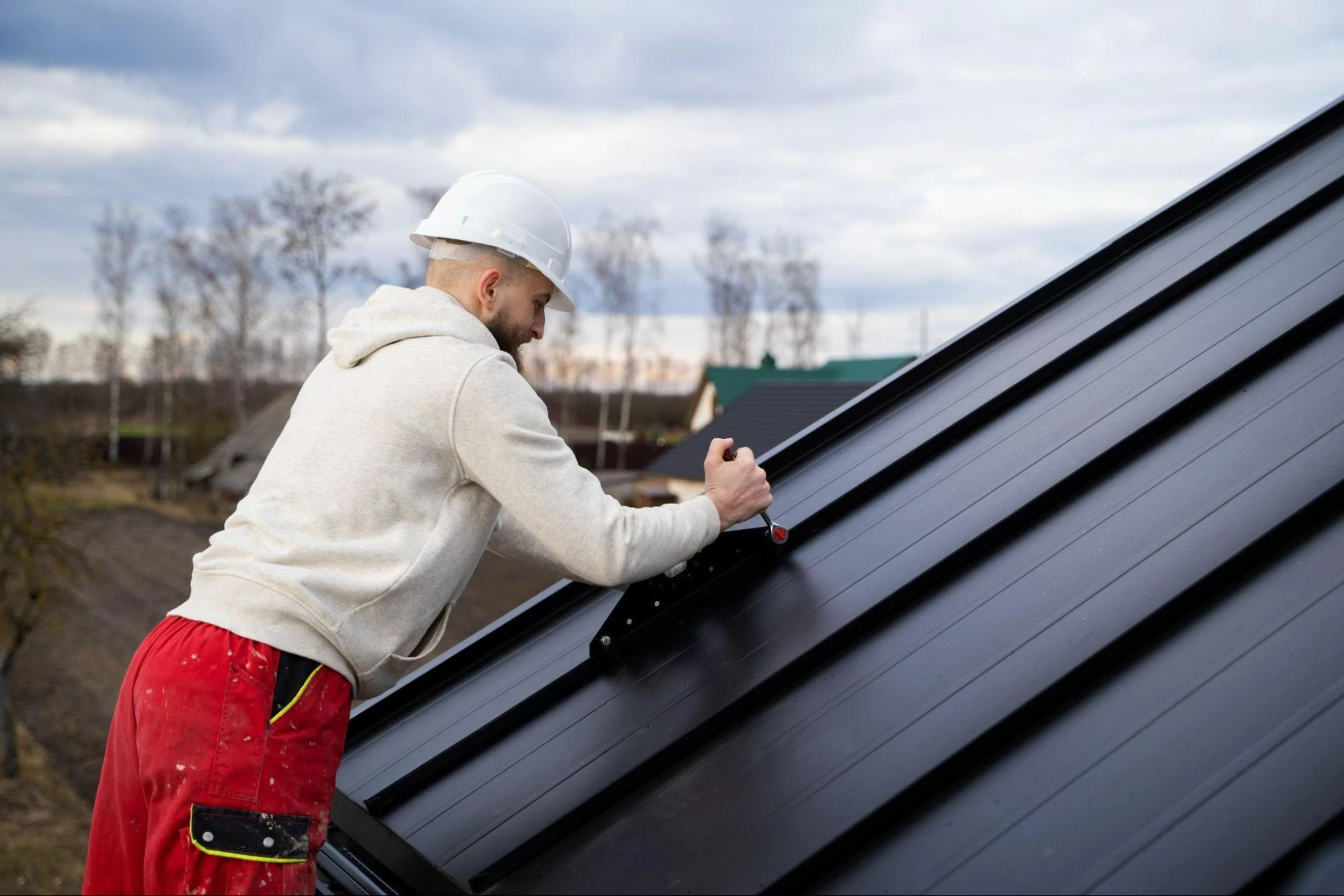
Material testing proves its value across a wide range of roofing scenarios. In roof replacement projects, testing existing materials helps determine their structural integrity and load capacity, ensuring that new installations are compatible and safe.
In new construction, testing ensures that all materials meet required standards before installation begins, reducing the chances of delays or failures. For projects involving insurance claims, especially after storm damage, testing provides clear evidence of material condition, supporting accurate and defensible estimates.
Why Skipping Testing Can Cost More in the Long Run
Some contractors hesitate to invest in testing due to time or cost concerns. However, this often leads to greater expenses down the line. Inaccurate estimates, project delays, and rework can quickly outweigh any initial savings from skipping the testing process.
In reality, material testing is not an extra cost, it’s a safeguard. It protects both the contractor and the client from avoidable risks and ensures that the project starts on a solid foundation.
Making Material Testing Part of Your Workflow
Adopting material testing doesn’t require a complete overhaul of your process. Contractors can begin by focusing on high-impact materials that significantly affect cost, performance, and safety.
Working with reliable testing providers or integrating modern tools can make the process efficient and manageable. Over time, testing becomes a natural extension of the estimation workflow rather than an additional burden.
The Competitive Edge Contractors Can’t Ignore
As the roofing industry evolves, the margin for error continues to shrink. Contractors who rely solely on traditional estimating methods may struggle to keep up with increasing client expectations and project complexity.
Those who adopt data-driven practices, including material testing, gain a clear advantage. They produce more accurate estimates, deliver better results, and build stronger reputations in the market.
Final Thoughts
Accurate roofing estimates are no longer just about experience; they’re about precision, validation, and trust. Material testing brings all three together, helping contractors move beyond guesswork and make informed decisions at every stage of a project.
By integrating testing into the estimation process, contractors can reduce risks, improve profitability, and deliver results that meet both expectations and standards. In a competitive industry, that level of reliability isn’t just helpful, it’s essential.