
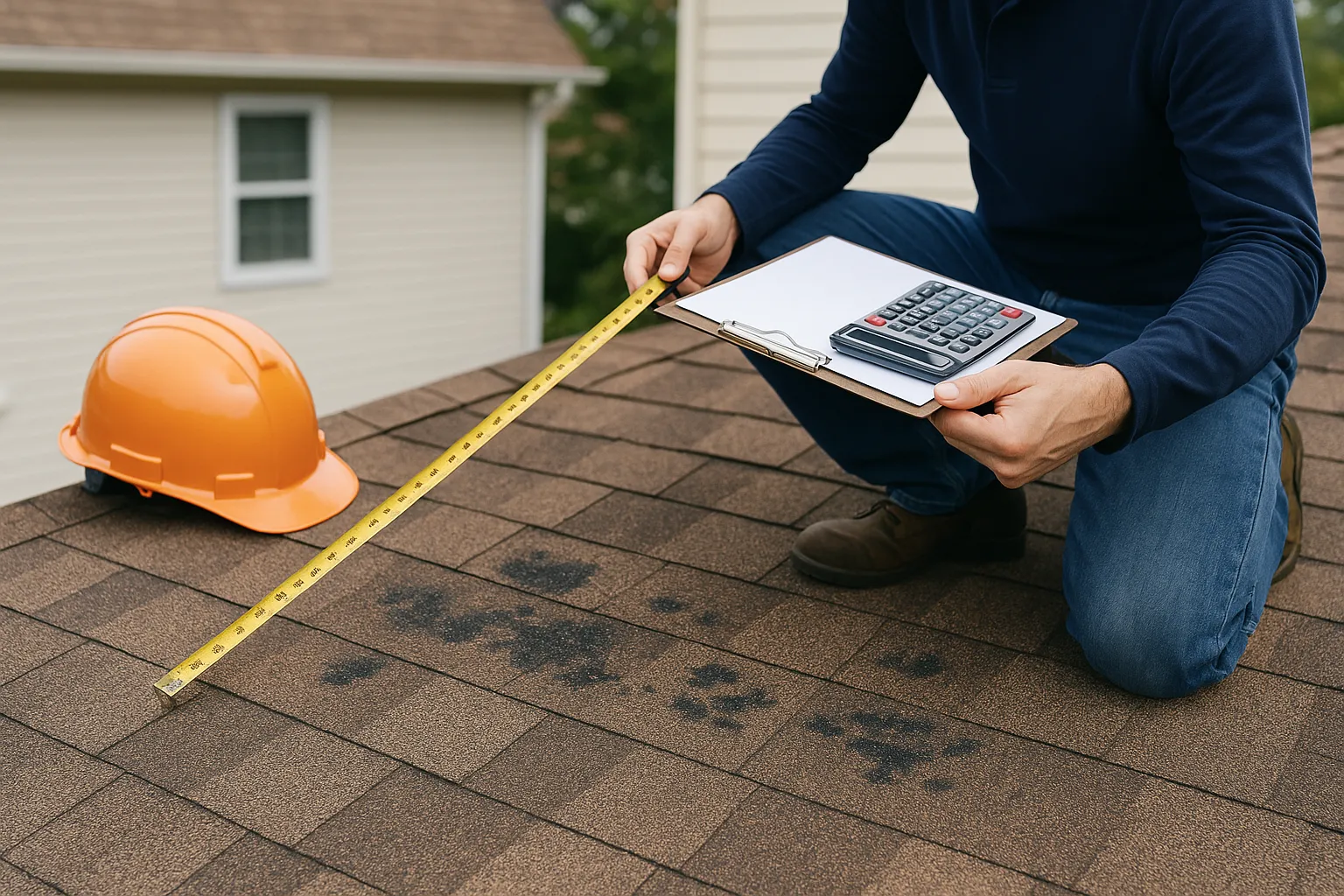
Storm damage creates one of the most lucrative opportunities in the roofing industry, but only for contractors who understand how to navigate the insurance claims process. While your competitors scramble with disorganized inspections and frustrated homeowners, mastering the claims workflow transforms you from just another bidder into a trusted advisor who closes more deals and generates referrals that fuel long-term growth.
This comprehensive guide reveals the systems, documentation strategies, and communication tactics that separate high-performing storm damage contractors from the rest of the pack.
Why The Insurance Claims Process Makes Or Breaks Your Storm Business
The numbers tell the story: after major storms, homeowners contact an average of 3-5 roofing contractors. The one who wins the job isn’t always the cheapest. It’s usually the one who makes the insurance process feel manageable.
Here’s what homeowners actually care about:
- Clarity: They’re confused about deductibles, coverage, and what happens next
- Speed: They want damage assessed quickly before more problems develop
- Advocacy: They need someone who’ll fight for accurate damage assessment
- Competence: They’re looking for proof you’ve done this successfully before
When you deliver on these priorities, price becomes secondary. Let’s break down how to build that confidence at every stage.
Understanding The Insurance Ecosystem: Key Players And Their Motivations
Every storm claim involves three primary stakeholders, each with different goals:
The Homeowner
Most haven’t filed a roof claim before. They’re worried about out-of-pocket costs, whether insurance will cover everything, and how long repairs will take. They need education and reassurance more than a sales pitch.
The Insurance Adjuster
Their job is accurate damage assessment while controlling claim costs. Staff adjusters work specific territories year-round, while independent adjusters get deployed during high-volume storm periods. Independent adjusters often carry 40-60 claims simultaneously after major events, meaning they’re rushed and may miss damage.
You, the Roofing Contractor
Your positioning matters enormously. Approach adjusters as adversaries, and you’ll create friction that slows approvals. Position yourself as a documentation partner who helps them do their job accurately, and you’ll see smoother claim resolutions.
Understanding these motivations allows you to become the bridge that helps everyone achieve their objectives.
Building Your Pre-Storm Rapid Response System
Contractors who dominate storm work don’t wait for calls to come in. They have systems ready to deploy the moment weather hits. Whether you’re operating as a large regional company or a Local roofing contractor Summerville, preparation before the storm is what determines how many projects you secure afterward.
Pre-Storm Preparation Checklist
When severe weather is forecasted 48-72 hours out:
- Ensure crew availability and confirm equipment functionality
- Stock emergency tarping materials and temporary repair supplies
- Charge all documentation devices (cameras, tablets, drones if applicable)
- Prepare templated outreach messages for past customers in potential impact zones
- Update your inspection scheduling system to handle volume
- Review relationships with local insurance agents and property managers
The Critical 72-Hour Post-Storm Window
Speed wins jobs. Here’s your deployment timeline:
Hours 1-24:
- Drive affected neighborhoods documenting visible damage patterns
- Send immediate outreach to existing customers: “We’re checking on homes in [neighborhood].
- Free inspection available. Any visible damage to your roof?”
- Begin scheduling inspections in order of inquiry
Days 2-3:
- Conduct thorough inspections with systematic documentation
- Provide homeowners with preliminary damage assessments
- Guide homeowners through filing claims if they haven’t already
- Explain what to expect when the adjuster visits
Days 4-7:
- Follow up on claim filing status
- Request to be present during adjuster inspections when possible
- Provide detailed estimates aligned with Xactimate or insurance documentation standards
The contractor who provides a professional inspection report within 48 hours typically wins the job, even if others submit lower bids later.
The Documentation System That Maximizes Claim Approvals
Poor documentation is the number one reason legitimate storm claims get underpaid or denied. Your documentation needs to be so thorough that adjusters and desk reviewers can’t dispute the damage.
Exterior Damage Documentation Protocol
Walk the entire roof systematically. Don’t rely on sampling. Document:
Shingle Damage:
- Missing, lifted, or torn shingles (photograph each area with wide and close-up shots)
- Hail impact damage (use chalk circles or markers to highlight strikes and photograph before and after marking)
- Granule loss patterns indicating age or impact damage
- Bruising on shingle surfaces
Structural and Component Damage:
- Flashing damage around chimneys, skylights, vents, and wall intersections
- Ridge cap condition and wind damage
- Gutter and downspout dents from hail (often overlooked but strengthen overall claims)
- Roof penetrations and their sealing integrity
- Fascia and soffit damage
Collateral Property Damage:
- Window screen damage (strong indicator of hail)
- Siding damage (particularly vinyl, which shows hail impacts clearly)
- AC unit condenser damage
- Fence and deck damage
- Mailbox and exterior lighting fixtures
Comprehensive whole-property documentation makes underpayment much harder. Hail doesn’t discriminate. If it damaged the roof, it likely damaged other exterior components.
Interior Documentation That Strengthens Claims
Don’t stop at exterior inspections:
- Attic water stains and moisture damage
- Wet or compromised insulation
- Light penetration through roof decking
- Active leaks during rain events
- Ceiling and wall staining in living spaces
Documentation Best Practices That Win Approvals
- Use reference points in every photo. Include landmarks (vents, chimneys, roof edges) so damage locations are identifiable when adjusters review photos later.
- Count and measure, don’t estimate. Replace vague descriptions like “multiple damaged shingles” with specifics: “23 shingles with hail impact on south-facing slope, 18 on east slope.”
- Take both wide shots and close-ups. Wide shots establish context and scope; close-ups prove the damage exists.
- Date-stamp everything. Ensure your camera or phone timestamps are enabled to prove damage timing.
- Use professional tools. Apps like CompanyCam, Hover, EagleView, and Roofr streamline documentation and generate reports that impress both homeowners and adjusters.
- Create a damage map. Sketch or digitally map where damage appears on the roof. This visual guide helps adjusters follow your documentation.
Working Effectively With Insurance Adjusters
Your adjuster relationships determine whether claims get approved smoothly or turn into multi-month battles.
Before the Adjuster Arrives
- Provide your inspection report and photos to the homeowner
- Advise them to be present during the adjustment
- Ask if you can attend the inspection (some homeowners appreciate this; others prefer handling it alone)
- If you won’t be present, coach the homeowner on what to point out
During the Adjuster Meeting
If you’re present during the inspection:
Be collaborative, not confrontational. Start from the assumption that you both want accurate damage assessment. Most adjusters appreciate contractors who help them document damage they might miss due to time constraints.
Share your documentation proactively. “I conducted a detailed inspection yesterday. I’d be happy to share my photos and notes if that’s helpful.” This positions you as a resource, not an opponent.
Point out damage professionally. “I noticed several hail strikes near the ridge cap and some flashing damage on the east side. Did you want to take a look at those areas?”
Don’t argue on-site. If you disagree with the adjuster’s assessment, note it professionally. Address discrepancies through the supplement process afterward.
Mastering the Supplement Process
Initial adjuster estimates frequently miss legitimate damage, especially after large-scale storm events when adjusters are rushed. This is where supplementing separates high-earning contractors from average ones.
What is a supplement?
A formal request to add missed items or increase quantities on an approved claim.
Successful supplements require:
- Clear photographic evidence of the additional damage
- Explanation of why items were missed or undervalued
- Pricing aligned with Xactimate or other insurance-standard estimating software
- Professional, factual tone (antagonistic supplements get denied)
Common supplement opportunities:
- Underlayment damage discovered during tear-off
- Additional shingle damage found on rear slopes not visible from ground
- Plywood decking replacement needs
- Flashing and valley metal that wasn’t included
- Additional labor for difficult access or pitch
Many contractors leave $2,000-$5,000 per claim on the table by not supplementing properly. If you’re not confident with Xactimate and the supplement process, invest in training or partner with a supplement specialist.
Communicating With Homeowners Throughout The Claims Journey
Storm claims can take 2-8 weeks to fully resolve. Homeowners get anxious without updates, and anxious homeowners start calling other contractors.
Set Clear Expectations Upfront
During your initial meeting, explain:
- Typical timeline: claim filing (1-3 days), adjuster visit (3-14 days), approval (1-7 days after inspection), scheduling work (varies)
- Homeowner responsibilities: file claim promptly, be present for adjuster, review and sign documents
- What you’ll handle: thorough documentation, adjuster coordination, supplement filing if needed
- That additional damage might emerge during tear-off (and how that’s addressed)
Provide Proactive Updates
Even when nothing changes, check in weekly:
“Hi [Name], just checking in on your claim status. Have you heard anything from [Insurance Company]? Let me know if you need anything or have questions.”
This keeps you top-of-mind and demonstrates you haven’t disappeared like their previous contractor experiences.
Walk Through Estimates in Plain English
Most homeowners don’t understand roofing estimates. Take 10 minutes to explain:
- Scope of work and why each component matters
- Material options and their cost/longevity trade-offs
- How the deductible works and when it’s paid
- How to use a Roof Replacement Cost Estimator to compare insurance payouts with real market pricing
- What happens if insurance payout doesn’t cover full replacement cost (happens more often than homeowners expect)
Contractors who educate homeowners build trust. Contractors who hide behind technical jargon lose to competitors who take time to explain.
Critical Mistakes To Avoid During Storm Season
Even experienced contractors make these errors when volume increases:
Don’t Promise Outcomes You Can’t Control
Never guarantee full coverage or zero out-of-pocket cost beyond the deductible. Claims are unpredictable, and overpromising destroys trust when reality doesn’t match expectations.
Don’t Waive or “Eat” Deductibles
In most states, offering to waive deductibles is illegal insurance fraud. Even where legal, it devalues your work and attracts price-shoppers who’ll leave bad reviews when issues arise.
Don’t Badmouth Adjusters or Insurance Companies
Regardless of how frustrating a claim becomes, stay professional. Homeowners remember contractors who handled adversity with grace, and they refer those contractors to friends.
Don’t Let Hot Leads Go Cold
Storm season overwhelms many contractors. If you can’t handle volume, hire temporary help or be honest about timelines. Nothing damages reputation faster than disappearing after promising to help.
Building Long-Term Business From Storm Work
Storm damage jobs aren’t one-time transactions. They’re relationship foundations.
Turn Customers into Long-Term Advocates
After completing storm repairs:
- Request Google reviews while satisfaction is highest
- Ask for neighbor referrals (storm damage often affects multiple homes)
- Add them to annual maintenance reminder lists
- Send seasonal check-in messages
Document Your Work for Marketing
Before-and-after photos make powerful marketing content. With homeowner permission:
- Build portfolio galleries for your website
- Create social media content showing transformations
- Develop case studies highlighting complex claims you won
Stay Relevant Year-Round
Send annual inspection reminders to past storm customers. Many will need eventual roof replacements, and they’ll remember the contractor who guided them through a stressful time years earlier.
Your Competitive Advantage: Systems Over Hustle
Every contractor can work hard during storm season. The ones who build sustainable businesses work smart by implementing:
- Pre-storm preparation protocols that activate immediately
- Documentation systems that produce undeniable evidence
- Communication workflows that keep homeowners confident
- Adjuster relationships built on professionalism and mutual respect
- Follow-up processes that turn one-time customers into lifetime advocates
The insurance claims process can be frustrating, but it’s also your greatest opportunity to demonstrate expertise and build trust. When homeowners watch you navigate complexity on their behalf (answering questions, documenting damage thoroughly, and delivering quality repairs), you become their contractor for life.
Master the claims process, and storm season transforms from chaos into a predictable, profitable driver of business growth and reputation.
ABOUT THE AUTHOR
First Response Home Services is a licensed roofing and home improvement contractor serving the metro Atlanta area. With extensive experience in residential roofing, storm damage restoration, and insurance claim advocacy, our team helps homeowners protect their most valuable investment through professional workmanship and expert claims navigation. Learn more at www.myfrhs.com or explore our comprehensive roofing services.